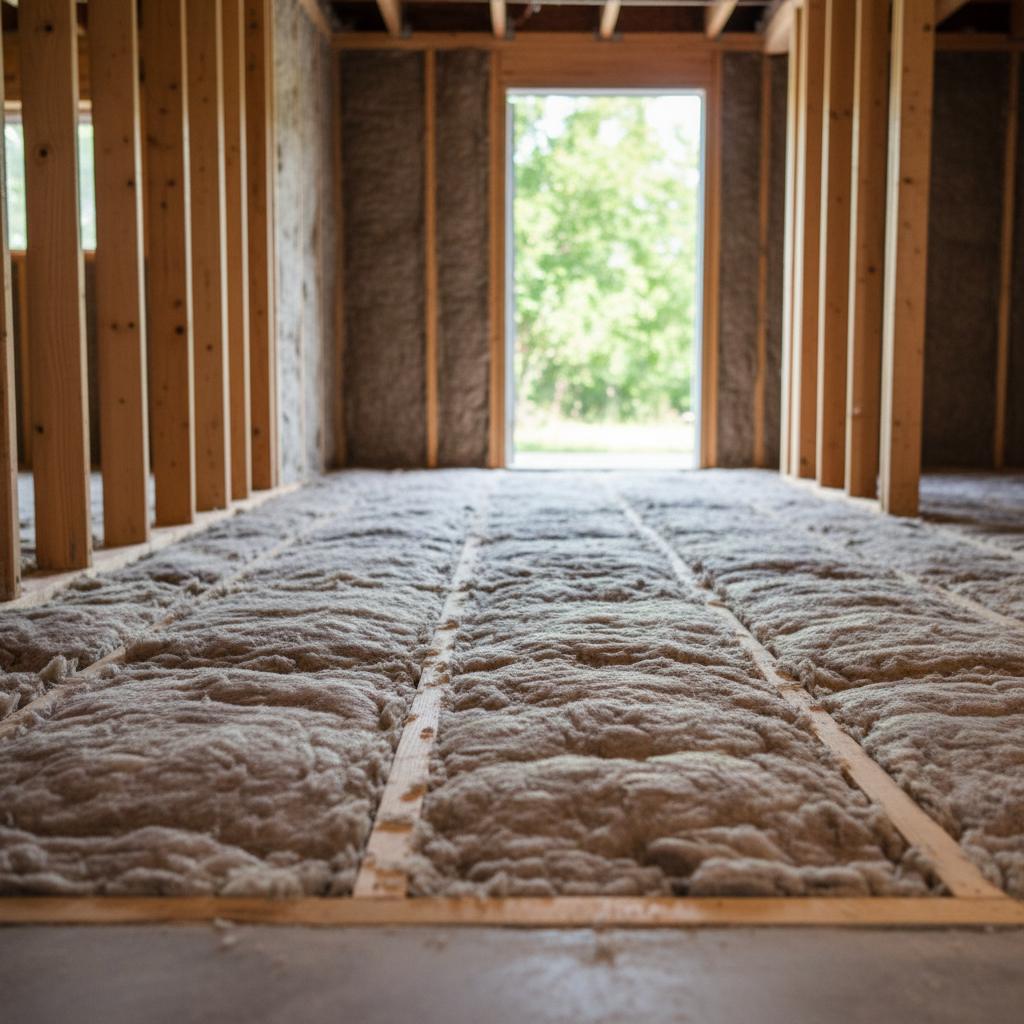
Alright, let's talk basements. Not every home in Arlington has one, but if you do, you know they can be a real challenge when it comes to comfort and those pesky energy bills. We're talking about a space that's often cooler in the summer, damp, and can feel downright chilly in the winter. Insulating your basement isn't just about making it feel better, though; it's about making your whole house more efficient. So, what's the real scoop?
Before You Start: Planning Your Basement Insulation Project
First things first, you gotta figure out what you're dealing with. Is your basement finished or unfinished? Are there existing insulation issues, like mold or moisture? You can't just slap new insulation over problems; you've got to fix them first. Water is the enemy of insulation, plain and simple. If you've got leaks, cracks in the foundation, or dampness, that's priority number one. Get that sorted out before you even think about insulation.
Next, consider your goals. Are you trying to turn it into a full-blown living space, or just make it less of an energy drain? That'll dictate the type and R-value of insulation you'll need. You'll also want to check local building codes. Arlington has specific requirements, especially if you're finishing the space. You don't want to do all that work only to find out it's not up to snuff, do you?
Think about the types of insulation too. Fiberglass batts are common and relatively cheap, but they can be a pain to install properly and are susceptible to moisture. Rigid foam boards are great for foundation walls, offering good R-value and moisture resistance. Then there's spray foam, which is my personal favorite for basements because it creates an airtight seal and really tackles moisture. It's a game-changer for keeping out that humid Arlington air, especially during those long, sticky summers.
During the Project: DIY vs. Calling a Pro
Now, here's where you decide if you're rolling up your sleeves or picking up the phone. Some parts of basement insulation are definitely DIY-friendly, while others are best left to us pros.
- DIY-Friendly: If you're dealing with an unfinished basement and just want to add some basic insulation to rim joists or between floor joists (if insulating the ceiling), you can probably handle fiberglass batts or even some rigid foam board cut to size. Just be careful about cutting and fitting, and wear proper safety gear like gloves, a mask, and eye protection. Air sealing around pipes and wires with caulk or foam sealant is also something you can absolutely do yourself, and it makes a huge difference.
- When to Call a Pro: If you're looking at insulating foundation walls, especially with spray foam, or if you're dealing with any moisture issues, you need to call someone who knows what they're doing. Spray foam requires specialized equipment and training to apply correctly. If it's not mixed or applied right, it won't perform, and you'll have wasted your money. Plus, if you're finishing the basement, you want to make sure the insulation is installed perfectly to avoid future headaches like mold or condensation. We've seen plenty of homes near the Pantego area where folks tried to DIY spray foam and ended up with a mess. It's just not worth the risk. Arlington Spray Foam Insulation has the gear and the expertise to get it done right the first time.
A professional will also know how to properly vent any combustion appliances in your basement and ensure you're not creating any indoor air quality problems. That's a big one you don't want to overlook.
After It's Done: Maintaining Your Insulated Basement
Once your basement is insulated, you're not entirely off the hook, but the hard part's over. You'll want to keep an eye on things. Periodically check for any signs of moisture, especially after heavy rains. Make sure your gutters are clean and directing water away from your foundation. That's just good home maintenance, insulated basement or not.
You should notice a difference pretty quickly. Your main living areas might feel more comfortable, and your HVAC system won't have to work as hard, which means lower energy bills. If you've insulated the foundation walls, the basement itself will feel less like a dungeon and more like a usable space. Enjoy the improved comfort and savings!