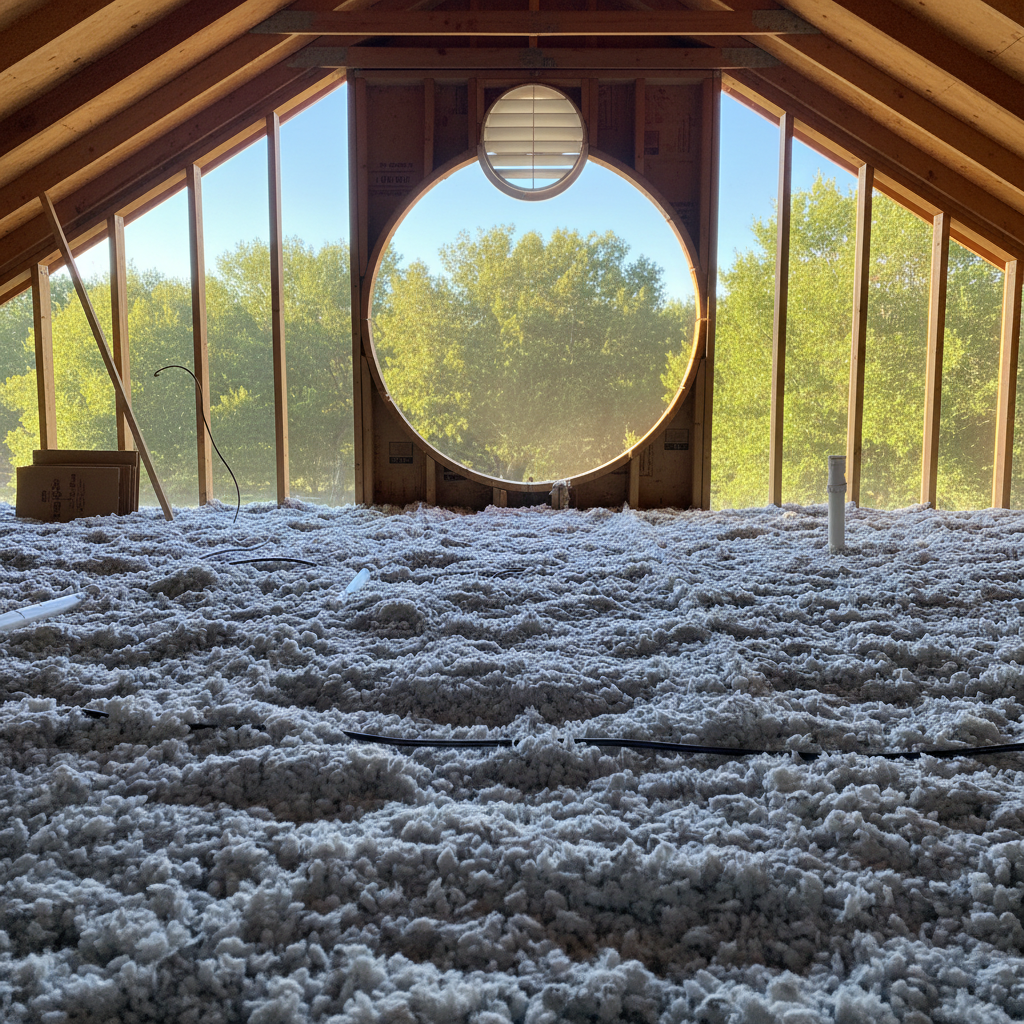
So, you're probably wondering when's the best time to get blown-in insulation put in your attic. Good question! It's one I hear a lot here at Arlington Spray Foam Insulation. The truth is, you can really do it pretty much any time of year. But some seasons definitely make more sense than others, and certain conditions can affect how the job goes.
When to Schedule Your Blown-In Insulation
Honestly, if your attic isn't insulated enough, the best time to upgrade is right now. You're just throwing money away and living less comfortably every single day. But if you're planning ahead, here's what I think:
- Spring and Fall are perfect. These are the sweet spots. The weather isn't too crazy — not scorching hot in the attic for my crew, and not freezing cold either. That makes for a much easier and quicker installation. Plus, getting it done in spring means you're all set for the summer heat; do it in the fall, and you're ready for winter.
- Summer works, but it's hot. We definitely work through the summer, no problem. We're used to the heat, especially here in North Texas. But attics can hit 130-150 degrees Fahrenheit, sometimes even hotter. It's tough on the crew, and we might have to juggle schedules to avoid the absolute hottest part of the day. If you want to beat the summer rush, booking in late spring is a smart move.
- Winter is also fine. Just like summer, we can get the job done. The main thing in winter is making sure the attic stays dry. We never want to blow insulation into a damp space. If there's any moisture problem, we'll need to fix that first.
The biggest thing, really, is planning. Don't wait until your AC is constantly running in July or your heater is struggling in January to start thinking about insulation. Get ahead of it, why don't you?
Weather Conditions That Matter for Installation
When we're talking about blown-in insulation, especially the cellulose or fiberglass kinds, moisture is the enemy. Here's what we keep an eye out for:
- Rain: This is a big one. We can't install blown-in insulation if your roof is leaking or if water is actively getting into the attic. The material absolutely has to go into a dry space. If it's raining hard, and there's a chance water could get into the attic during the process, we might need to reschedule. We're not just talking about a little drizzle; we mean conditions that could mess up the insulation.
- High Humidity: Not quite as critical as direct rain, but really high humidity can be an issue, especially if your attic doesn't vent well. We prefer to work when it's drier to make sure the material settles right and doesn't soak up too much moisture.
- Extreme Temperatures: As I said, really hot or cold weather mostly affects how comfortable and efficient the crew is. It doesn't usually stop the installation itself, but it might make the job take a bit longer or require more breaks. We're pros, we'll get it done, but it's something to be aware of.
Before we start any job, we always do a thorough check of your attic. We're looking for any existing moisture, leaks, or ventilation problems. We won't just blow insulation over a problem; we'll tell you about it first.
Protecting Your Blown-In Investment Year-Round
Once you've got that fresh, fluffy insulation up there, you want it to last and work its best. Here's how to protect your investment:
- Keep it Dry: This is super important. Check your roof for leaks regularly, especially after those nasty storms we get so often here in Arlington. Even a small leak can soak your insulation, making it less effective and possibly leading to mold. If you spot a leak, get it fixed right away, then check the insulation for damage.
- Maintain Good Ventilation: Your attic needs to breathe. Good airflow helps stop moisture from building up and keeps the attic cooler in summer, which takes stress off your insulation. Make sure your soffit and ridge vents aren't blocked. Sometimes, especially in older homes around the Pantego area, attic ventilation might have been an afterthought, and it's worth having someone check it out.
- Avoid Compacting: Blown-in insulation works by trapping air. If you walk on it or squish it down, it loses its R-value. If you need to go into your attic, try to stick to any established walkways or lay down boards to spread out your weight.
- Pest Control: Rodents and other critters just love to nest in insulation. They can compact it, chew it up, and leave droppings, all of which hurt its performance and cleanliness. If you have a pest problem, deal with it quickly.
Getting blown-in insulation is one of the best things you can do for your home's comfort and energy efficiency. By knowing the best times to schedule, what weather conditions matter, and how to keep it in good shape, you're making sure that investment pays off for years to come. Got questions, or ready for an estimate? Give us a call at Arlington Spray Foam Insulation. We're always happy to help our neighbors.