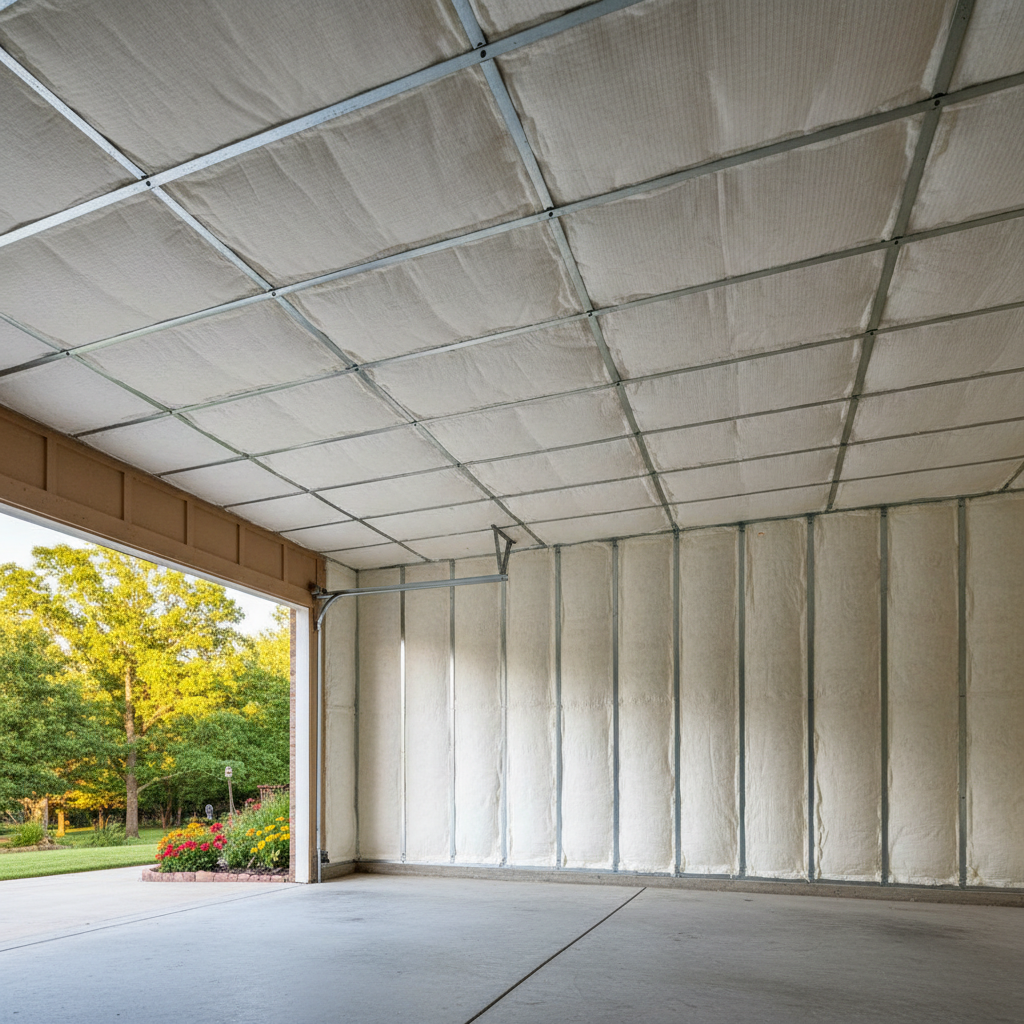
So, you've gone and insulated your garage, maybe even with some top-notch spray foam. Good for you! That's a smart move for beating the Arlington heat and humidity, whether you're working out there, doing projects, or just trying to keep your car from feeling like an oven. But here's the thing: insulation, even the best kind, isn't totally maintenance-free. You want it to last, right? You want it to keep doing its job year after year. So, let's talk about how to make sure it does.
Making Your Insulation Last Longer
Around here, the biggest enemies of garage insulation are moisture, pests, and plain old physical damage. If you can keep those three things in check, you're already way ahead of the game. For moisture, it's all about sealing up leaks. Check around your garage door seals regularly. If you see daylight coming through, or if water puddles after a good rain, those seals need attention. Same goes for any windows you might have. A little caulk or a new weatherstrip can make a huge difference, believe me. Don't let water get behind your drywall or into the insulation itself; that's a recipe for mold and reduced R-value.
Pests are another big one. Rodents, insects, even birds sometimes – they just love making homes in cozy, insulated spaces. Make sure any gaps around pipes, vents, or electrical conduits are sealed up tight. Steel wool and expanding foam can be your best friends here. If you've got spray foam, it's naturally more resistant to pests than fiberglass batts, but they can still chew through drywall to get to it if they really want to. Keep your garage tidy; less clutter means fewer hiding spots for critters.
Physical damage is usually pretty obvious. If you're bumping into walls with your car, or if you've got kids playing sports in there, you might accidentally dent or puncture the drywall. If the insulation behind it is damaged, it'll create a cold spot (or a hot spot, in our case). Just patch it up as soon as you can. For exposed insulation, like in an unfinished garage, just be mindful not to hit it with tools or equipment.
Quick Maintenance Checks
You don't need to inspect your garage insulation every week, but a quick once-over a couple of times a year is a good idea. I usually tell folks to do it when the seasons change – maybe once in late spring before the real heat hits, and again in the fall.
- Look for gaps: Check around the edges of your insulation, especially where it meets framing, windows, or doors. If you see any separation, it might need a little touch-up.
- Feel for drafts: On a windy day, stand in your garage and feel for air movement, especially around the garage door and any windows. This tells you where your seals might be failing.
- Check for moisture: Look for water stains on walls or the ceiling. If you see any, trace it back to the source. It could be a leaky roof, a plumbing issue, or just a bad seal around the door.
- Pest activity: Keep an eye out for droppings, chewed materials, or nests. If you spot anything, address it quickly before they cause more damage.
- Temperature consistency: Pay attention to how the garage feels. Are there noticeable hot or cold spots? That could indicate an insulation issue.
For us in Arlington, with our clay soils and the way foundations can shift over time, it's especially important to keep an eye on wall cracks. Even small ones can let in moisture or pests, eventually affecting your insulation. Don't ignore them.
Signs of Trouble
Ignoring small issues can lead to bigger, more expensive problems down the road. Here are some clear signs that your garage insulation might be in distress:
- Sudden spike in energy bills: If your garage is conditioned (heated or cooled), and your utility bills jump without a good reason, compromised insulation could be a culprit.
- Persistent dampness or musty smells: This is a huge red flag for moisture intrusion and potential mold growth. You don't want that.
- Visible mold or mildew: If you see it, you've definitely got a moisture problem that needs immediate attention.
- Sagging or compressed insulation: If your insulation looks like it's falling apart, or if it's squished down, it's not doing its job effectively.
- Pest infestations: If you're seeing more bugs or rodents than usual, they might be finding easy access points through damaged insulation or gaps.
- Uneven temperatures: One part of your garage is roasting while another is just warm? That's a sign of inconsistent insulation performance.
When to Call a Pro
Look, a lot of these checks are things you can do yourself. But there are times when you really need to bring in someone who knows what they're doing. If you're seeing significant water damage, widespread mold, or you just can't figure out where a draft is coming from, that's when you pick up the phone. If you've got extensive pest damage to your insulation, or if you suspect your spray foam insulation was installed improperly in the first place, a professional can assess the situation and recommend the best course of action. Sometimes, a small repair is all you need. Other times, it might be a bigger job to replace damaged sections or address underlying structural issues.
We at Arlington Spray Foam Insulation are always happy to take a look if you're worried about your garage insulation. It's better to catch these things early than to let them fester. A well-maintained, properly insulated garage isn't just about comfort; it's about protecting your home and saving you money on those brutal Texas utility bills.